
Solar Meshtastic Node
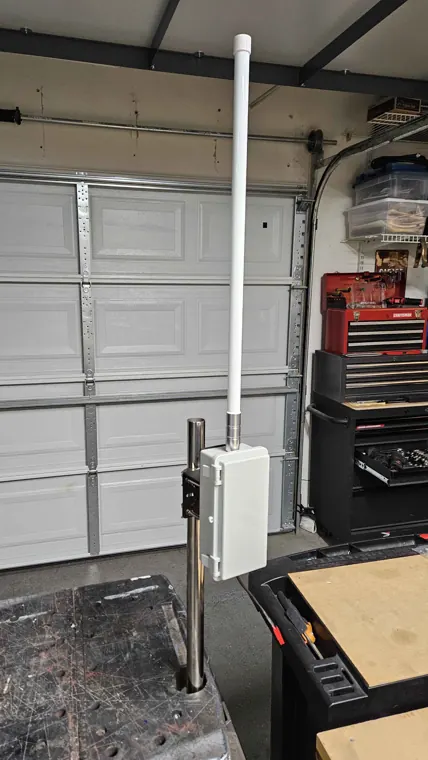
A Station G2 Meshtastic node on a pole in the backyard, running on a 12-volt solar battery, with its battery voltage reported over the mesh
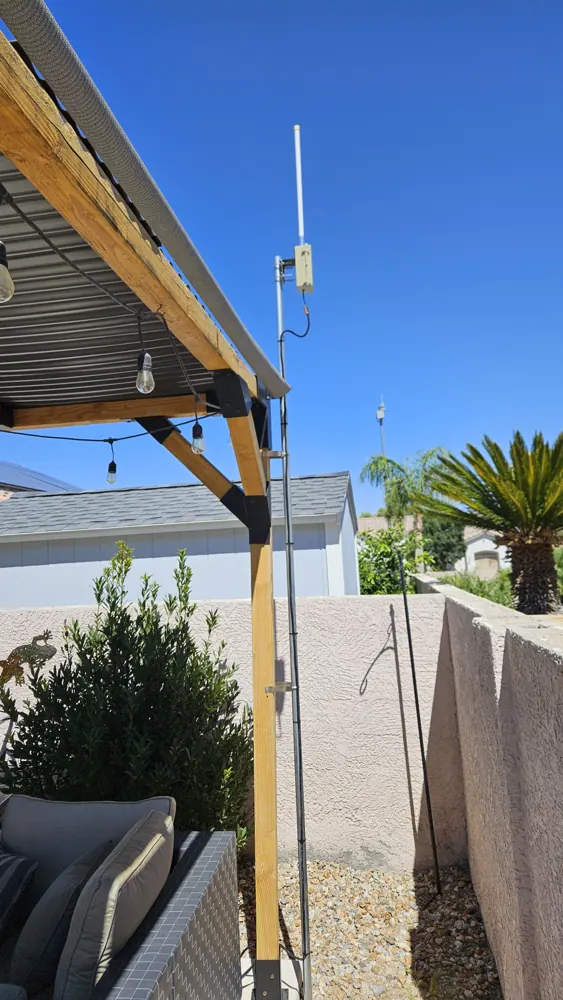
Meshtastic turns small, inexpensive LoRa radios into an off-grid text messaging network. Every node repeats what it hears, so messages hop from radio to radio across town with no cell towers or internet. The more well-placed nodes there are, the farther the mesh reaches, so I put up a node of my own.
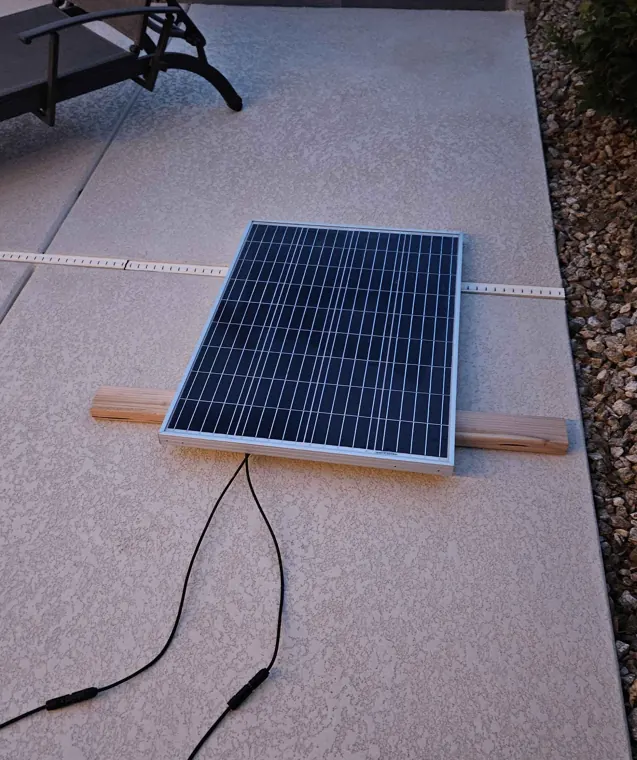
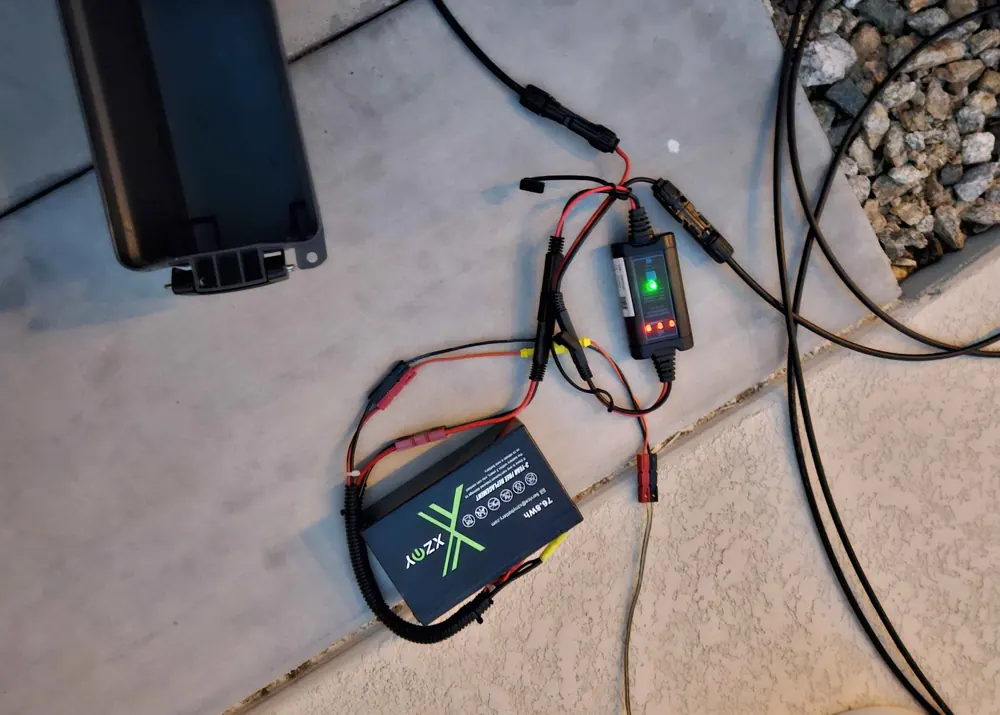
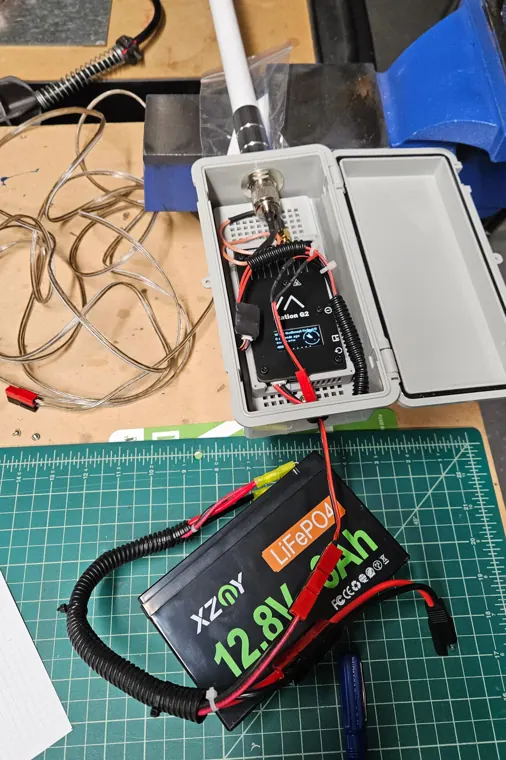
It's a Station G2 from B&Q Consulting, a Meshtastic radio with a built-in amplifier that puts out much more power than a typical handheld node. It's set to the Client Base role, so it relays traffic for the mesh. It sits in a 3D-printed holder of my own design inside a weatherproof box at the top of a pole, right below an 8 dBi fiberglass antenna. Power comes from a 12-volt LiFePO4 battery kept charged by a 100-watt solar panel and an MPPT charge controller, so it needs no wires to the house. The same battery also runs my LoRa APRS iGate.
The G2 is on my home Wi-Fi. A small server in the house reads what the G2 hears, along with its own readings, and passes it all to the Mesh page every 5 minutes. That's where you can see the G2's battery, how busy the channel is, and the nodes it hears.
Keeping an eye on the battery
The Station G2 is designed to run on outside power, so it has no battery gauge. Its maker explained why: it accepts a wide range of input voltages, so it can't know what a full battery looks like. Since the node was going up where I can't easily check on it, I wanted to watch the battery from a distance anyway.
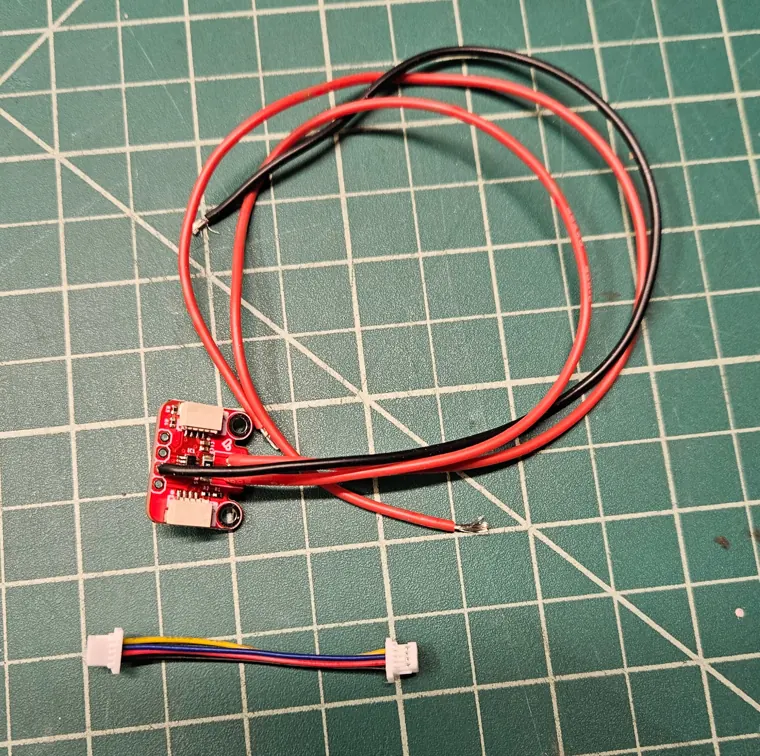
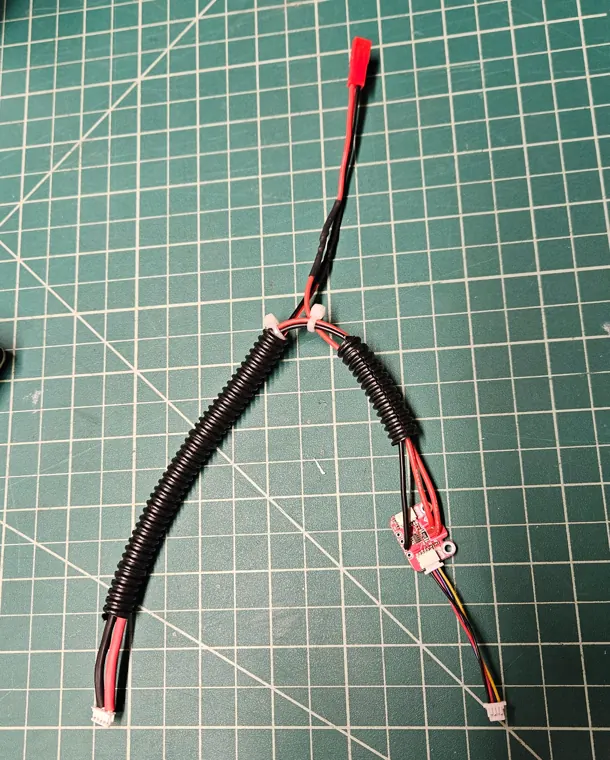
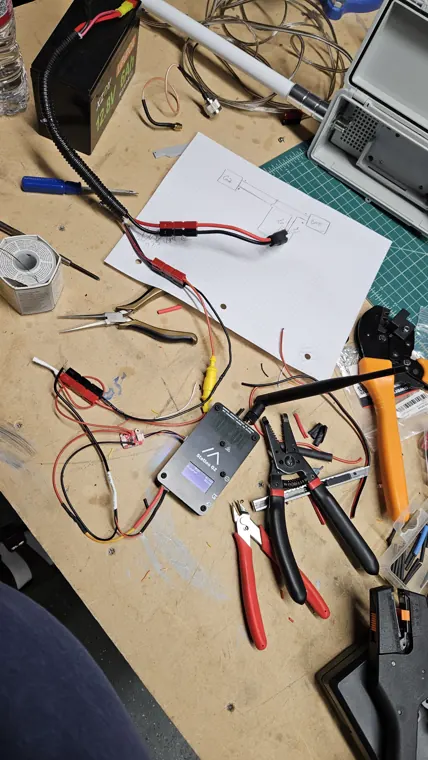
The answer, from the Station G2 wiki, is an INA219 voltage and current sensor plugged into the G2's QWIIC connector. I built a new power cable, with Anderson Powerpole connectors, that puts the sensor right at the G2's power connector. Meshtastic reads the sensor on its own and every 30 minutes sends the voltage reaching the G2, which follows the battery, and the current the G2 draws. They go out as environment metrics, so they show up in the Meshtastic app and on this site's Mesh page.
The build
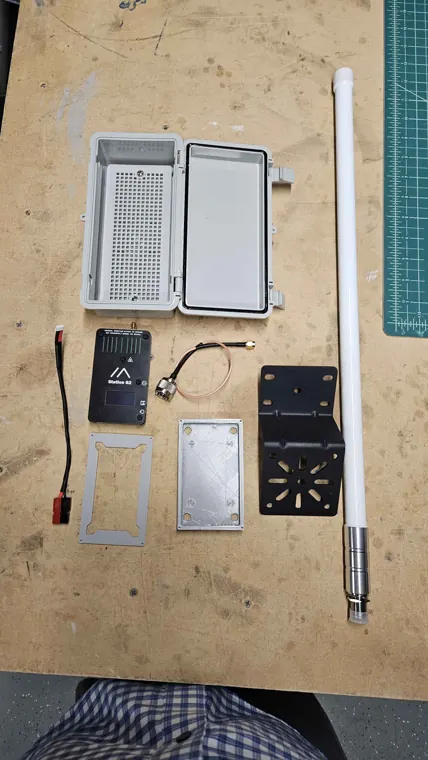
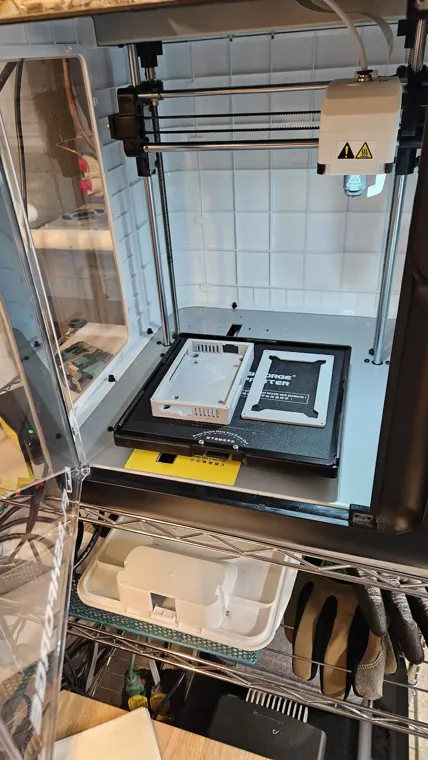
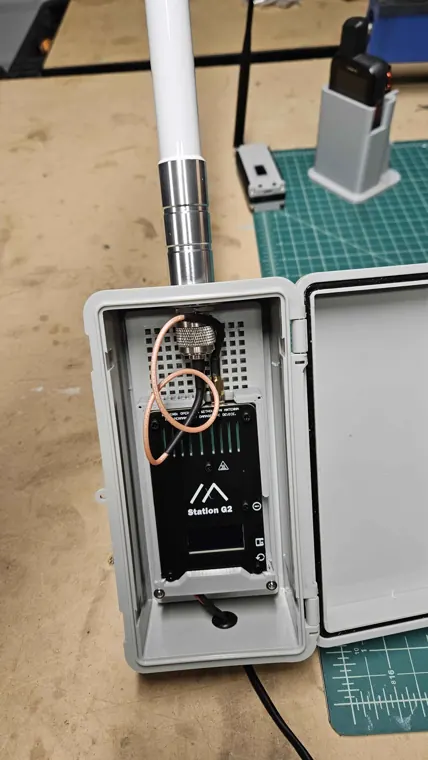
Adding the battery sensor
Parts
- Station G2 (B&Q Consulting) Meshtastic node, role Client Base
- 8 dBi 915 MHz fiberglass LoRa antenna, omnidirectional, on a pole about 12–15 feet above the ground
- IP65 ABS weatherproof enclosure, about 8 × 4 × 2.7 inches, with a hinged lid
- 3D-printed holder of my own design for the G2 inside the enclosure
- INA219 voltage and current sensor on the G2's QWIIC connector, reporting as environment metrics
- 12.8 V 6 Ah LiFePO4 battery (76.8 Wh), shared with the LoRa APRS iGate
- PolyEnergy 10-amp MPPT solar charge controller
- 100-watt monocrystalline solar panel
- Anderson Powerpole connectors on the power cables
Links
Credits
Meshtastic is free and open source. Thanks to B&Q Consulting (Unit Engineering), the makers of the Station G2, for explaining why the G2 has no battery gauge and pointing me to the INA219 sensor.